Microsoft has confirmed that Project Online will retire in 2026, with organisations encouraged to transition towards Planner and the wider Power Platform ecosystem. While this may appear to be a routine product sunset, for PMOs it represents a significant strategic moment. The response taken now will shape how governance, portfolio visibility and executive reporting operate for years to come. This is not simply about replacing a scheduling tool. It is about examining whether the current operating model genuinely supports modern portfolio oversight and executive confidence.

More than a system migration
Project Online has long provided structured scheduling and portfolio capability within the Microsoft ecosystem. In practice, however, many organisations have relied on a broader collection of tools to make it effective, using Project for plans, Power BI for reporting, Power Automate for workflows and SharePoint for document management. Over time, this layered approach has introduced complexity that often goes unchallenged. Reporting frequently requires data to be consolidated across platforms before it can be trusted. Governance controls sit in multiple environments. Portfolio visibility depends on manual interpretation before it reaches leadership. Although this structure may function, it rarely operates with the clarity and simplicity that executives expect. With retirement confirmed, organisations face a choice. They can attempt to recreate their existing environment across several Microsoft components, or they can use this moment to modernise how delivery oversight works altogether. For PMOs, that distinction is critical.
The real cost of the status quo
Microsoft’s published guidance suggests that organisations transitioning from Project Online move towards Planner, Planner Premium and the wider Power Platform ecosystem, including Power BI, Power Automate and Power Apps. These tools are powerful individually and form part of Microsoft’s broader productivity vision. However, they are designed to address distinct capabilities rather than operate as a single, unified portfolio governance environment.
In practical terms, replicating the functionality that many PMOs rely on today often requires combining several components. Advanced scheduling capability typically sits within Planner Premium rather than standard Planner. Portfolio level reporting frequently depends on Power BI Pro licensing and in some cases additional capacity. Workflow automation relies on configuration within Power Automate. Depending on the existing Microsoft agreement in place, this approach can introduce additional licensing cost considerations as well as architectural complexity. The result is not a lack of capability, but a reliance on integration across tools in order to approximate a cohesive operating model.
This layered structure reinforces a pattern that many organisations already experience. Schedules are maintained in one application, dashboards are built in another, automation logic exists elsewhere and financial oversight may sit outside the project platform altogether. Each component may perform its function effectively, yet the overall experience can remain fragmented. Data must often be consolidated before it can be relied upon at executive level, and reporting outputs can become curated summaries rather than live operational insight.
The consequences are rarely framed as strategic risks, yet they directly influence portfolio maturity. Executive visibility becomes dependent on consolidation rather than immediacy. Adoption is often limited to trained project managers, while wider stakeholders operate outside the core system and provide updates manually. Automation requires coordination across platforms rather than being embedded directly within delivery workflows. Over time this increases administrative overhead and reduces transparency across the organisation.
The retirement of Project Online does not create these constraints, but it removes the option of continuing without reassessment. Organisations now have the opportunity to consider whether reconstructing a multi-tool ecosystem genuinely advances governance, or whether a more integrated approach would better support executive oversight and long-term delivery performance.
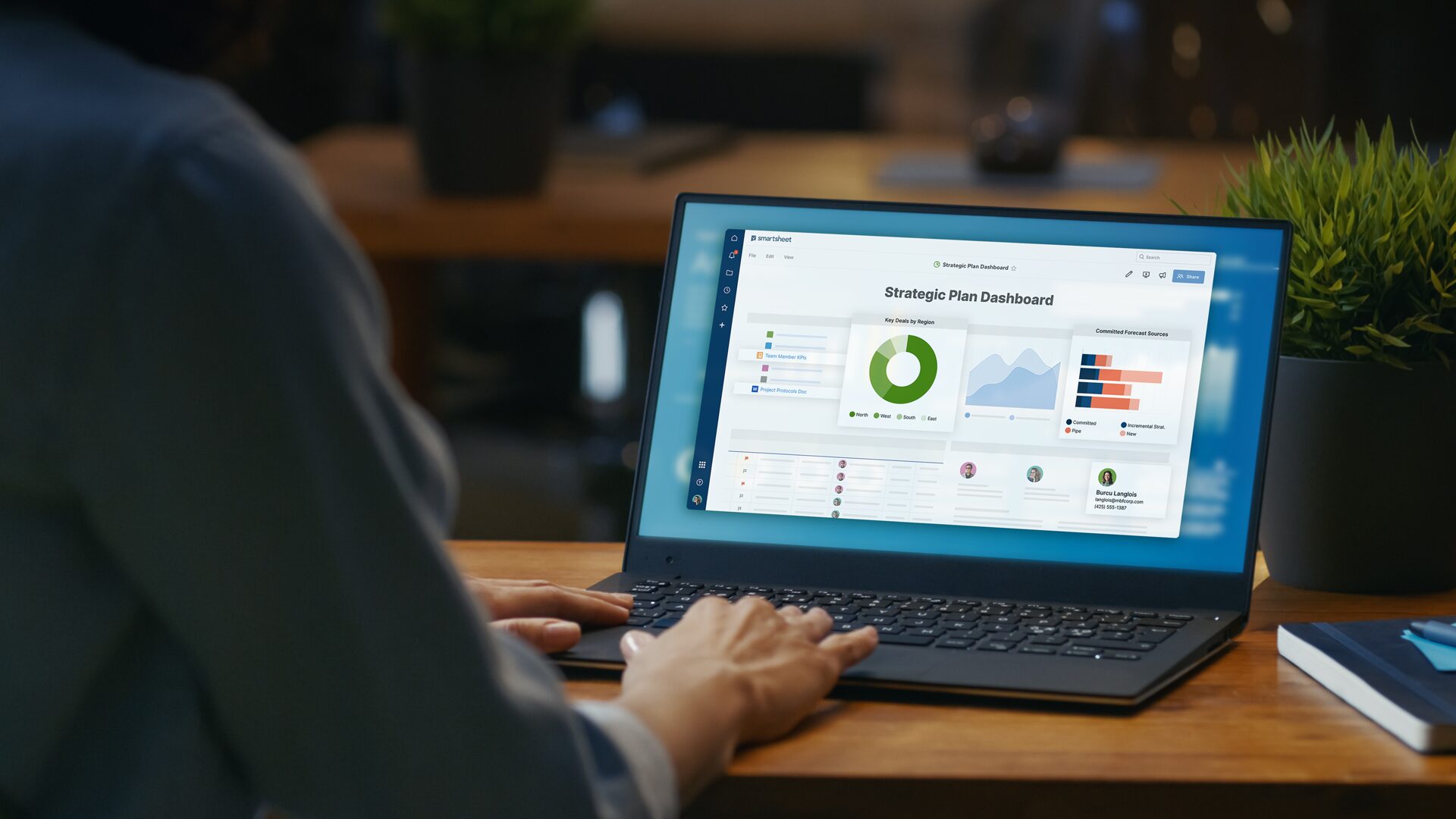
Using the moment to modernise
Microsoft’s published guidance suggests that organisations transitioning from Project Online move towards Planner, Planner Premium and the wider Power Platform ecosystem, including Power BI, Power Automate and Power Apps. These tools are powerful individually and form part of Microsoft’s broader productivity vision. However, they are designed to address distinct capabilities rather than operate as a single, unified portfolio governance environment.
In practical terms, replicating the functionality that many PMOs rely on today often requires combining several components. Advanced scheduling capability typically sits within Planner Premium rather than standard Planner. Portfolio level reporting frequently depends on Power BI Pro licensing and in some cases additional capacity. Workflow automation relies on configuration within Power Automate. Depending on the existing Microsoft agreement in place, this approach can introduce additional licensing cost considerations as well as architectural complexity. The result is not a lack of capability, but a reliance on integration across tools in order to approximate a cohesive operating model.
This layered structure reinforces a pattern that many organisations already experience. Schedules are maintained in one application, dashboards are built in another, automation logic exists elsewhere and financial oversight may sit outside the project platform altogether. Each component may perform its function effectively, yet the overall experience can remain fragmented. Data must often be consolidated before it can be relied upon at executive level, and reporting outputs can become curated summaries rather than live operational insight.
The consequences are rarely framed as strategic risks, yet they directly influence portfolio maturity. Executive visibility becomes dependent on consolidation rather than immediacy. Adoption is often limited to trained project managers, while wider stakeholders operate outside the core system and provide updates manually. Automation requires coordination across platforms rather than being embedded directly within delivery workflows. Over time this increases administrative overhead and reduces transparency across the organisation.
The retirement of Project Online does not create these constraints, but it removes the option of continuing without reassessment. Organisations now have the opportunity to consider whether reconstructing a multi-tool ecosystem genuinely advances governance, or whether a more integrated approach would better support executive oversight and long-term delivery performance.
How Cheetah Transformation supports this transition
Cheetah Transformation is a multi-award winning Smartsheet Platinum Partner, supporting organisations to plan, deliver and govern work more effectively using Smartsheet. We work extensively with both commercial and public sector organisations, helping them strengthen governance, improve visibility and deliver structured programme oversight at scale.
Our team brings more than a century of combined industry experience across programme delivery, operational leadership and transformation. This breadth allows us to understand the practical realities behind portfolio reporting and executive oversight. Rather than simply configuring software, we work with clients to design Smartsheet environments and operating models that function effectively within their organisational context.
Our support focuses on Smartsheet design, implementation and optimisation. This includes initial scoping and solution design, configuration and build, followed by onboarding, training and ongoing development. From early assessment through to longer term refinement, we remain partners throughout the Smartsheet journey. We pride ourselves on maintaining long term relationships with our clients, evidenced by repeat engagements and positive Trustpilot reviews. The objective is to embed sustainable governance structures that continue to evolve as your organisation grows.
For public sector organisations, we provide a compliant procurement route via G Cloud and are Cyber Essentials Plus certified, reinforcing our commitment to security and data protection while delivering licences and services at the same cost as buying direct.
Designing the right future state
Replacing Project Online should begin with disciplined reflection. What level of visibility does your executive team genuinely require? Where does reporting friction currently sit? How much time is absorbed in consolidation rather than insight? Which governance controls are dependent on manual intervention rather than automations?
The transition provides an opportunity to simplify processes, remove duplication and strengthen accountability across the portfolio. When approached strategically, it can accelerate PMO maturity and increase organisational confidence in delivery performance.

Ready to modernise your PMO?
If your organisation is currently using Project Online, now is the right time to assess your transition strategy. Delaying structured planning reduces flexibility and increases risk. Treating the retirement as a deliberate modernisation programme creates clarity, control and long term value.
On 15th April, we are co-hosting an executive webinar with Smartsheet where we will examine what the retirement means in practice, how to strengthen governance and portfolio oversight, including a live demonstration of Smartsheet.
Register for the webinarIf you or your team would prefer an earlier discussion, feel free to contact me directly at:
The retirement of Project Online creates a clear moment for reassessment. Organisations that approach it deliberately can strengthen governance, simplify oversight and improve executive confidence. At Cheetah Transformation, we are working with clients to ensure this transition is not just managed, but used as a catalyst for long term improvement in how work is planned, delivered and measured.